
November 23, 2026
How Do You Give Thanks? 5 Thanksgiving Patterns and the Kabbalah Idea Behind Each
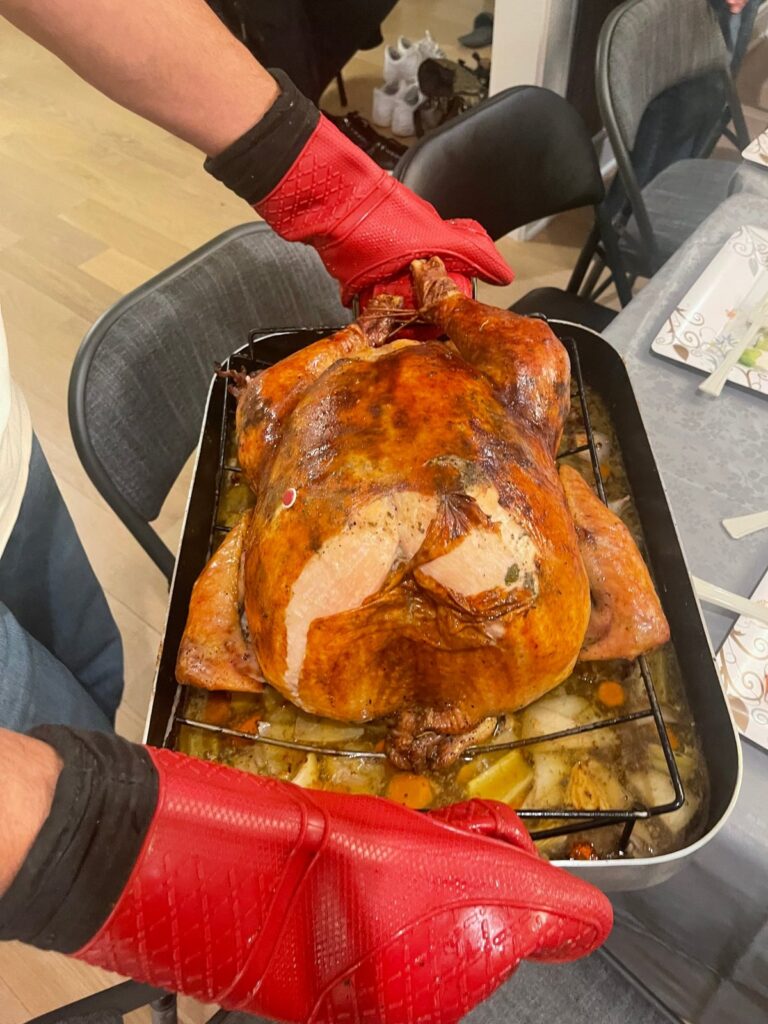
Every Thanksgiving, someone at the table says, “Let’s go around and say what we’re thankful for.” And every year, people handle that moment very differently.
Some keep it short. Some make a joke. Some miss their turn because they’re in the kitchen.
Gratitude sounds simple, but most of us have a pattern around giving and receiving thanks. Kabbalah, a 3,000 year old wisdom, has a lot to say about it. Here are the five patterns we see most, and the idea behind each one.
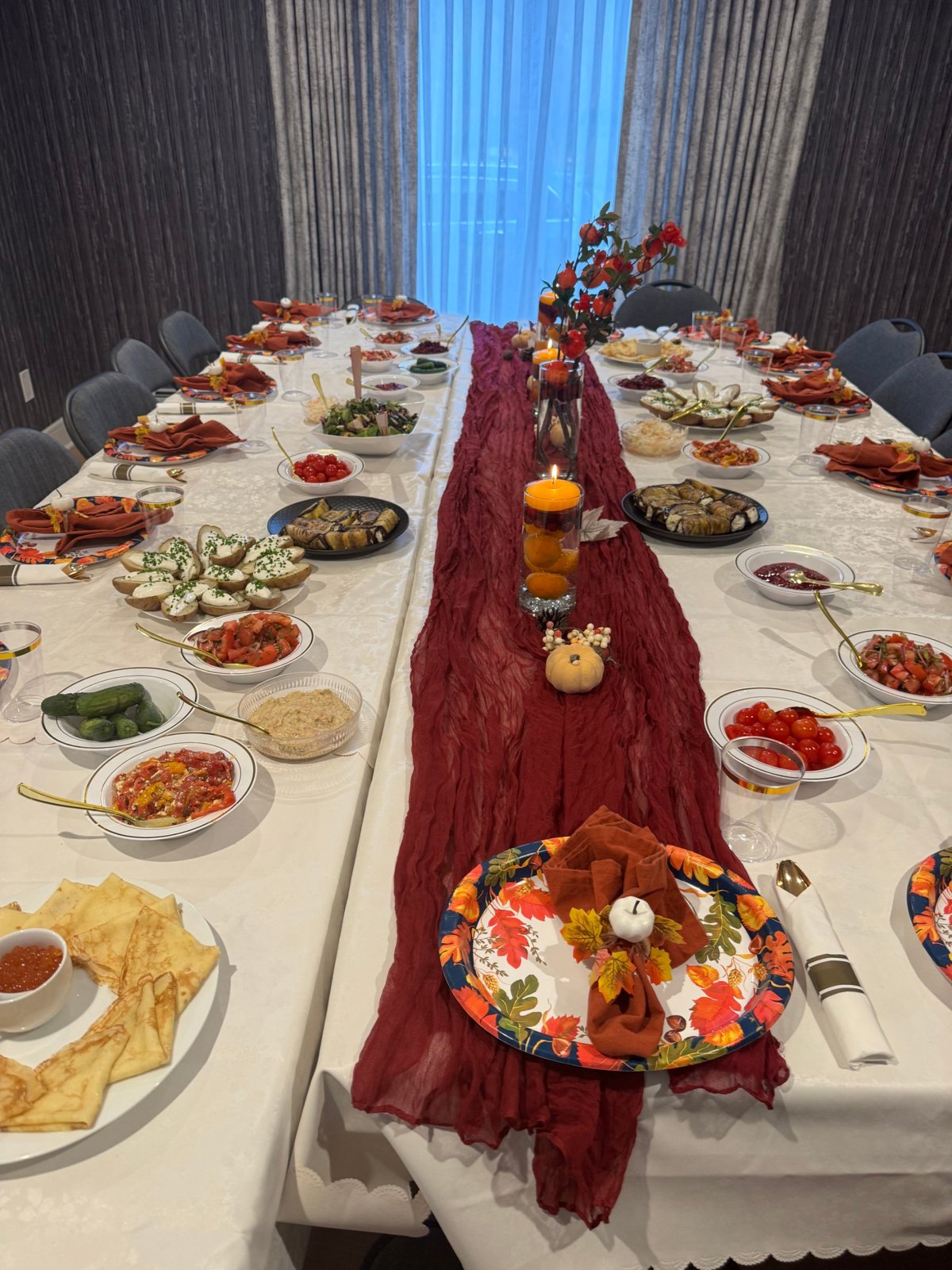
1. The Quiet Thanker
You feel it all. You just don’t say it. You think “I’m so glad you’re here” and say “pass the stuffing.”
The Kabbalah idea: Revelation. Good that stays hidden hasn’t fully come into the world yet. Thanks that stays in your head never reaches the person it’s for.
Try this: When you think “I’m glad they’re here,” say it within a minute.
2. The Deflector
You give easily. Taking a thank you is the hard part. “It was nothing” is your answer to everything.
The Kabbalah idea: Receiving for the sake of sharing. Giving and receiving are one exchange. When someone thanks you, they are giving you something. Turning it away stops their giving halfway.
Try this: The next time someone thanks you, say “thank you” and stop there.
3. The Host
You make the day happen for everyone. You rarely get to be in it. Your food is cold by the time you sit down.
The Kabbalah idea: Light and Vessel. A vessel that only pours out runs empty. You can keep giving only if you let something come back in.
Try this: Sit down for the whole main course. Let someone else get up.
4. The Scorekeeper
You notice everything, including who came empty handed and who never offers to help. Sometimes the gaps feel louder than the gifts.
The Kabbalah idea: Appreciation. Our nature is to see what’s missing first. Appreciation turns that around on purpose: name what’s here before you name what isn’t.
Try this: Before you notice who didn’t help, name three people who did.
5. The Comparer
You’re happy for people. There’s just usually a “but.” Someone’s good news stings a little before it feels good.
The Kabbalah idea: The Good Eye (Ayin Tova). Being glad for someone else’s blessing doesn’t take from you. It opens room for your own.
Try this: Say “I’m happy for you” with no “but” after it.
Play it at your table
We turned these five patterns into a free one minute Thanksgiving quiz. Take it yourself, then send it to someone you’ll be sitting with, and see how your patterns meet. Each pair gets one thing to say to each other right there at the table.
Or find the pattern you repeat all year long: take the free pattern quiz.
Questions people ask
Why is it hard to say thank you out loud?
For many people, saying it feels awkward or too much. Starting with one small, specific thank you makes it easier.
Why do some people have trouble accepting compliments?
Often it’s a fear of looking like you think too much of yourself. Kabbalah sees receiving well as a way of giving back to the person who thanked you.
Is this quiz only for Thanksgiving?
No. It works for any family dinner or get together, and it’s fun to take with a friend.