
Kabbalah practice
Kabbalah Meditation: A Simple 10 Minute Practice for Beginners
Most meditation helps you empty the mind. Kabbalah meditation gives the mind a direction. You quiet down, then you focus on one thing you want to change, and you leave with one step to take.

What is Kabbalah meditation?
Kabbalah, a 3,000 year old wisdom, has a long tradition of meditation. The Kabbalists of 16th century Tzfat, led by Rabbi Isaac Luria (the Ari), meditated with focused intentions called kavanot, on Hebrew letters, on the Names of God and on the Sefirot. Later teachers practiced hitbodedut, speaking out loud alone, often in nature.
What these practices share is a purpose. The goal is not only to feel calm. It is to connect to the Light and become a better Vessel for it, so that something actually changes in how you live.
How it differs from other meditation
| Most meditation | Kabbalah meditation |
|---|---|
| Empty the mind | Give the mind one clear focus |
| Observe thoughts | Notice the pattern behind them |
| Feel calm now | Change one reaction this week |
| Ends when you open your eyes | Ends with an action |
A 10 minute Kabbalah meditation for beginners
- Sit and breathe (2 minutes). Sit upright. Breathe in for four counts, out for six. Let the body slow down.
- Name the pattern (1 minute). Think of one reaction that keeps repeating: the worry, the anger, the yes you did not mean. Name it in one sentence.
- Restriction (2 minutes). Picture the moment it usually starts. Now picture yourself pausing there, one breath, before you react. In Kabbalah this pause is called Restriction, and it is where change begins.
- Connect to the Light (3 minutes). Look at a Hebrew letter or one of the 72 Names of God, or simply picture a warm light above you. With each breath in, imagine it filling you. With each breath out, release the old reaction.
- Choose one step (2 minutes). Ask: what would I do today if this pattern had no power over me? Pick one small action and commit to it.
Meditate with color, scent and sound
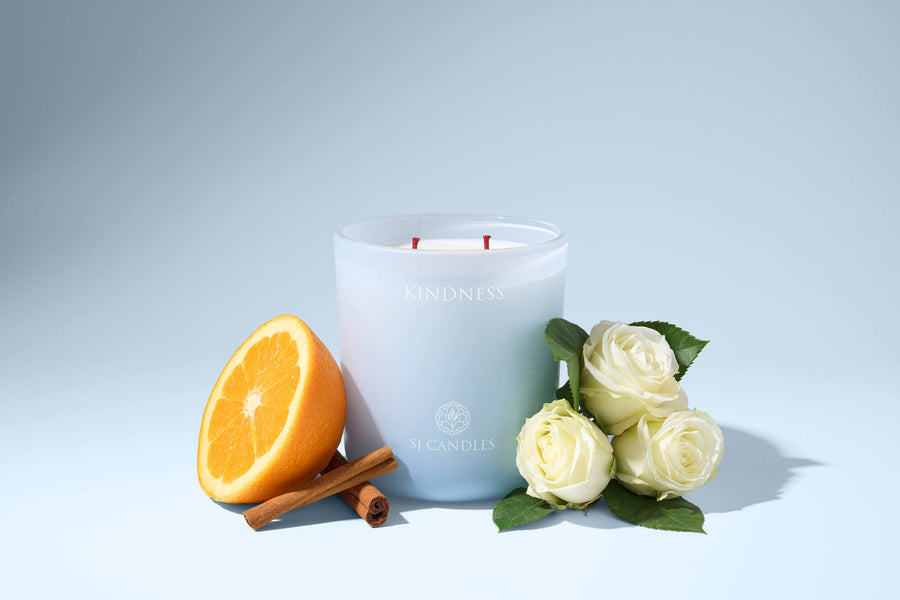
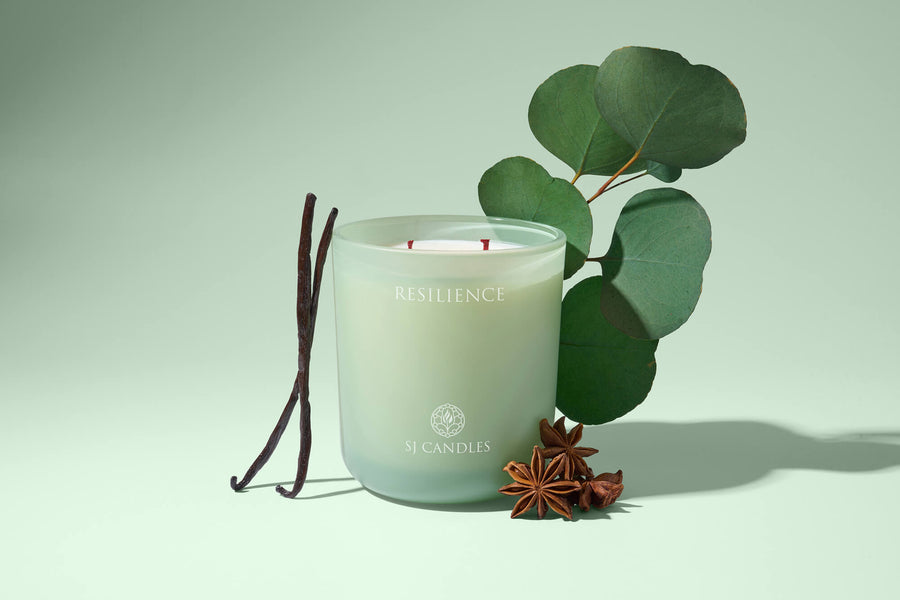
Kabbalah sees the senses as gateways to the soul. Each SJ Candle matches one of the ten Sefirot with its own color, scent and sound frequency, and comes with a guided meditation for that quality. Light the candle that matches what you are working on, then press play on a sample below.







Tips for a steady practice
- Same time each day. Morning works best for most people.
- One pattern at a time. Stay with it for at least a week.
- Write one line after. What you noticed and the step you chose.
- Use guidance when it is hard to focus. The Soul Journey Life app has guided meditations made for the challenge you are facing.
Not sure what to meditate on?
The free Tikkun quiz names the pattern you repeat most in 2 minutes. That is the best place to start.
Explore more: What is Kabbalah · Common Tikkuns · Find your Tikkun with the free quiz · Free 7 day Kabbalah course
Get the Soul Journey Life app
Talk to Luria, find your Tikkun and get meditations made for your challenges. Free on iPhone and Android.




Questions people ask
What is Kabbalah meditation?
Kabbalah meditation quiets the mind and then gives it a direction: one pattern to change, a connection to the Light, and one action to take. It draws on practices of Kabbalists such as Rabbi Isaac Luria.
How is Kabbalah meditation different from mindfulness?
Mindfulness mainly observes thoughts. Kabbalah meditation also looks for the pattern behind them and ends with a choice to act differently.
Do I need to know Hebrew to meditate with Kabbalah?
No. You can look at the shapes of Hebrew letters without reading them, or simply picture light. Intention matters more than language.
How long should a Kabbalah meditation be?
Ten minutes a day is enough to start. Consistency matters more than length.
What should I focus on in Kabbalah meditation?
Focus on one pattern you keep repeating, the pause before you react, and one step you will take today.