
Kabbalah basics
The Kabbalah Red String: Meaning, Which Wrist and How to Tie It
The red string is the best known symbol of Kabbalah. It is a thin red thread worn on the left wrist as protection from the evil eye. Its real power, Kabbalah teaches, is what it reminds you to do.
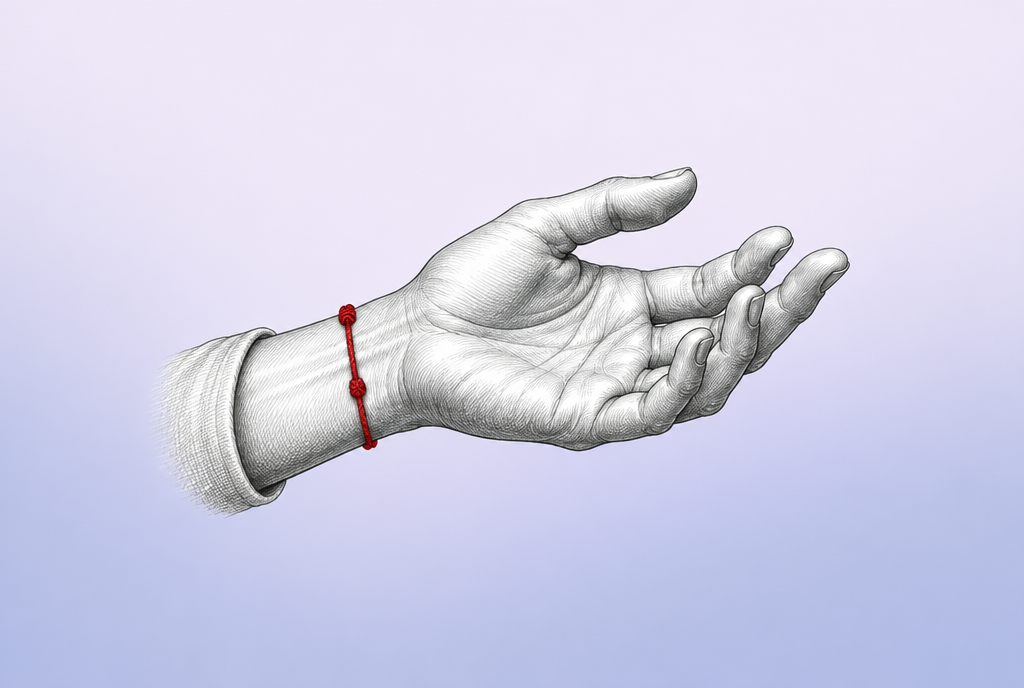
What does the red string mean?
In Kabbalah, a 3,000 year old wisdom, the red string is a protection from the evil eye, in Hebrew ayin hara. The evil eye is the negative energy of envy, our own and other people’s. When someone looks at what we have and wishes it were theirs, or when we do the same to them, Kabbalah says it drains Light from both sides.
The custom is connected to Rachel, the matriarch, whose tomb stands near Bethlehem. Traditionally, a long red thread is wound around the tomb and then cut into bracelets. Rachel is remembered for her compassion and selflessness, the opposite of envy.
Why is it worn on the left wrist?
On the Tree of Life, the left side is the side of receiving and of judgment. Kabbalah teaches that we take in energy through the left side, so the red string is tied on the left wrist to guard what comes in. The color red is linked to Gevurah, strength and boundaries.
How to tie a red string bracelet
- Ask someone you trust to tie it for you, ideally someone who wishes you well.
- Wrap it around the left wrist so it is snug but comfortable.
- Tie seven knots. Seven stands for the seven lower Sefirot, from Chesed to Malchut, the qualities that shape our daily life.
- Many people say the Ana B’Koach prayer while the knots are tied, a short ancient prayer of 42 words. Others simply set an intention: to see the good in others and to protect the good in their own life.
- Wear it until it falls off. When it does, many people tie a new one.
The red wick in SJ Candles
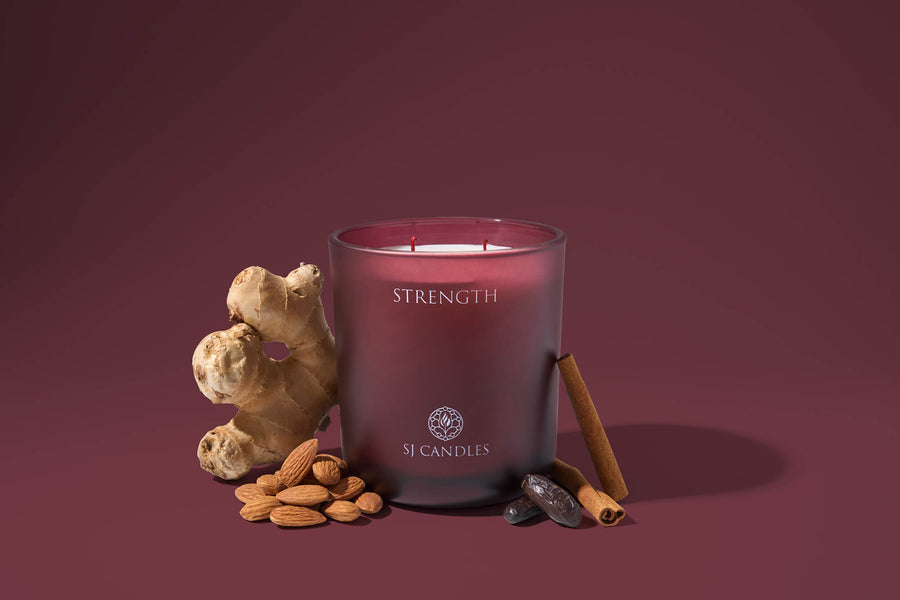
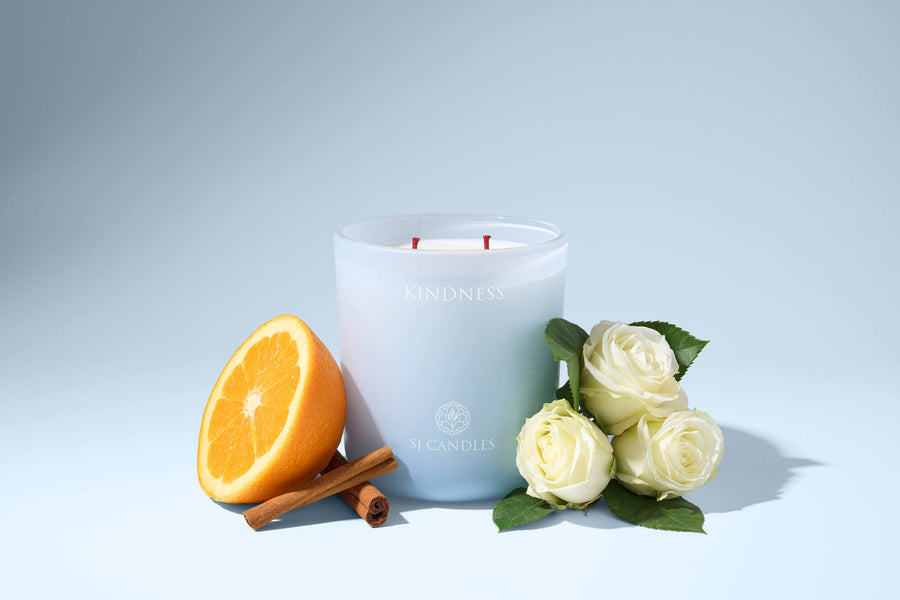
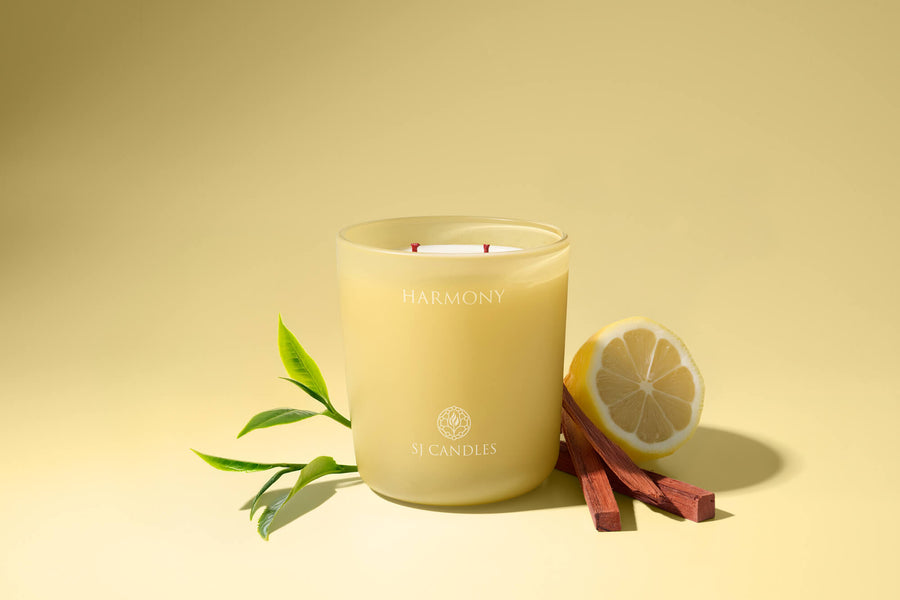
Every SJ Candle burns with our signature red wick, a nod to the red string. Each time you light one, it carries the same reminder: protect the good in your life, look at others with a good eye, and set one clear intention. Each candle matches one of the ten Sefirot and comes with a guided meditation.
What really protects you from the evil eye?
The string is a reminder, not a magic charm. Some rabbis have even questioned the custom for that reason. Kabbalah teaches that the strongest protection is in how we live:
- Do not feed envy. When you feel it, stop and wish the other person more. How to stop being jealous.
- Do not invite it. Share good news with care, not to impress.
- Stop comparing. Comparing is envy in a quieter voice. How to stop comparing yourself to others.
- Appreciate what you have. What we truly appreciate, we keep.
Each time you notice the string on your wrist, use it as a pause: am I looking at someone with a good eye right now?
Is comparing part of your pattern?
The free Tikkun quiz shows the pattern you repeat most, including envy and comparison, in 2 minutes.
Explore more: What is Kabbalah · Common Tikkuns · Find your Tikkun with the free quiz · Free 7 day Kabbalah course
Get the Soul Journey Life app
Talk to Luria, find your Tikkun and get meditations made for your challenges. Free on iPhone and Android.




Questions people ask
What does the Kabbalah red string mean?
The red string is worn as protection from the evil eye, the negative energy of envy. Kabbalah teaches that it is also a reminder to look at others with a good eye and protect the good in your own life.
Which wrist do you wear the red string on?
The left wrist. In Kabbalah the left side is the side of receiving, so the string is tied there to guard what comes in.
How many knots are in a red string bracelet?
Seven knots, for the seven lower Sefirot, the qualities that shape everyday life.
What prayer is said when tying the red string?
Many people say the Ana B’Koach, a short ancient prayer of 42 words, while the knots are tied. Others set a simple intention.
What happens when the red string falls off?
Many people see it as a sign the string has done its job and tie a new one. There is no need to worry when it breaks.